International Development Project
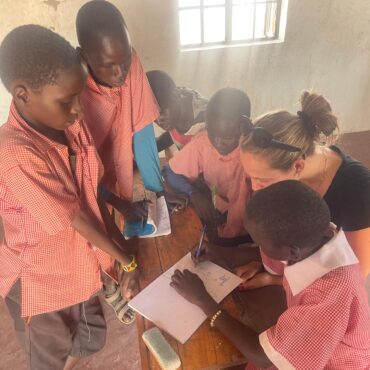
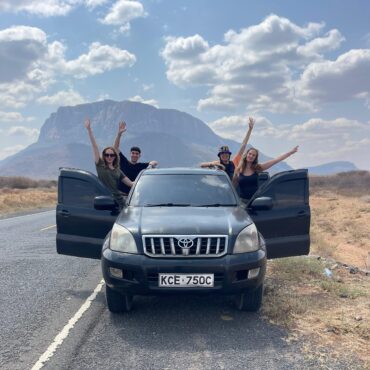
The mission of the International Development Project is to broaden the horizon of students whilst aiding a developing country with specific social-economic issues. The International Development Project works together with social enterprises to tackle issues influencing communities and the environment in developing countries. The project consists of four phases. First, you will contact several non-profit organizations to find a suitable project. Secondly, you will use your creativity to raise funds in all kinds of ways. Previous years, we organized a lottery, a fundraising dinner and the first IDPubcrawl! Thirdly, desk research will be carried out in the Netherlands in the form of expert talks, interviews with professors, and a literature review. Lastly, the International Development Project team will travel to the country in question to continue the research. A project-specific consultancy report will be completed after returning to the Netherlands.
International Development Project 2026 Arfak, West Papua
Following several successful international cooperations, the International Development Project partnered with Stichting Duurzame Samenleving Papua Barat (SDSP) in 2026 to investigate the potential of the coffee sector in its contribution to economic independence and sustainable development of Indigenous communities in the Arfak region of West Papua.
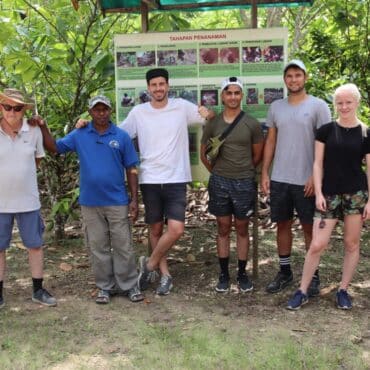
To understand the coffee value chain within the local cultural, economic, gender, and political contexts, the team spent three weeks in West Papua and conducted field research involving interviews with 26 farmers from Indigenous tribes, village Chiefs, coffee-sector professionals, NGOs, and academics. The research examined challenges faced by farmers in the process of coffee cultivation, production, and distribution, as well as market access and knowledge development. Based on this research the IDP team produced a consultancy report with recommendations for implementing practical and theoretical education of local farmers in order to optimise the coffee production, and facilitate access and expansion into local markets within West Papua and Indonesia.
What can I learn as a committee member?
By participating in the International Development Project you create a very challenging environment. Depending on your position you are going to guide your team, acquire and negotiate with partners and companies, keep track of all the information flows or create and retain the budget for the International Development Project. You will develop your persuasive and organizational skills, learn how to deal with deadlines and how to act within a professional business environment.
Testimonial
Zuzanna Kitlinska – Chairman International Development Project 2026 in West Papua
“It is very easy to speak about what we accomplished through this project, however, putting the experience into words is more difficult. You join the International Development Project (IDP) out of curiosity and passionate desire to contribute towards bettering society, however, you leave it with the realization that development and what is considered to be doing something good for society is never as straightforward as it may appear from a distance.
Every stage of this project, from fundraising events to listening to the voices of the farmers in the Arfak Mountains, challenged me in different ways. With every challenge, it became increasingly clear that this project is not only about gaining practical experience or an unique opportunity. It is about recognizing the importance of approaching local communities with curiosity and humility to truly understand local culture, politics, economics, and gender roles.
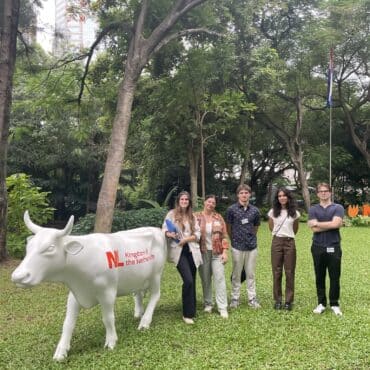
As chairwoman of this project, I developed many skills including those of project management, problem solving, communication and cultural awareness, but more importantly I recognized the value of learning directly from people and their experiences on the foundation of research. IDP is demanding and unpredictable, but with immense dedication and hard work it is beyond rewarding. Looking back all I can say it is truly one of those “you had to be there” unforgettable stories. We brought back home practical skills and professional experience alongside new perspectives, stories, and most importantly friendships. Thank you to Chiara Sulca, Sakura Hamai, Ania Ziemba, Michal Wrabel, and Job Swinkels.”
This project would not have been possible without the generous financial sponsorship of the Amsterdams Universiteitsfonds (AUF). We extend our deepest appreciation to the AUF for their crucial support, which has been instrumental in making this project a reality. Their participation has greatly facilitated our work, and we are profoundly grateful for their contribution.

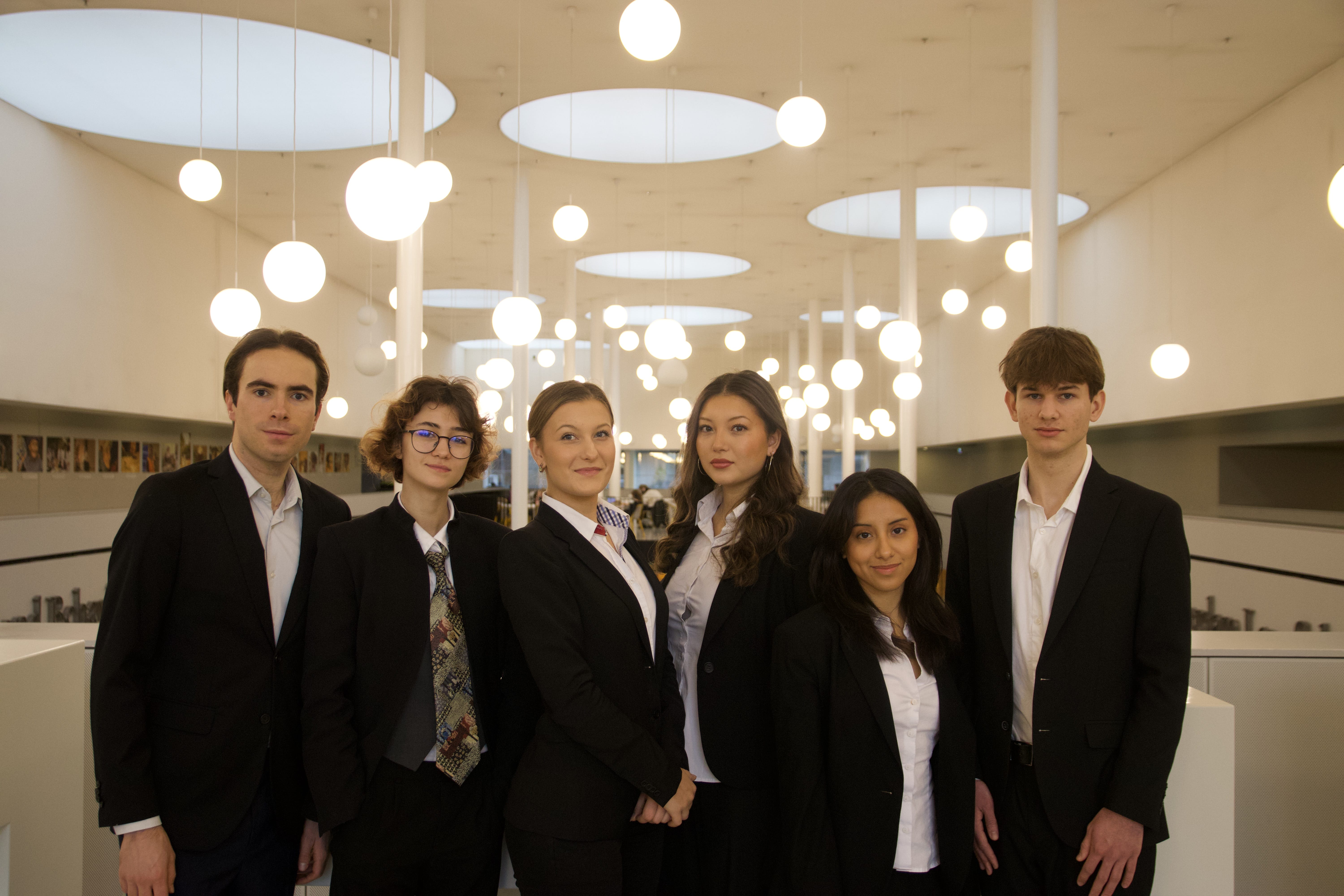
Zuzanna Kitlinska
Chairman
Chiara Sulca
Treasurer
Sakura Hamai
Secretary
Job Swinkels
Head of Acquisition
Ania Ziemba
Acquisition
Michal Wrabel
Acquisition